

Artificial Intelligence (AI) has emerged as a game-changer in various industries, and healthcare is no exception. The integration of AI technologies in healthcare holds tremendous potential to revolutionize medical practices, improve patient outcomes, and enhance the overall delivery of healthcare services. In this blog, we delve into the applications of AI in healthcare, exploring its impact on medical diagnostics, personalized medicine, and patient monitoring.
Medical Diagnostics
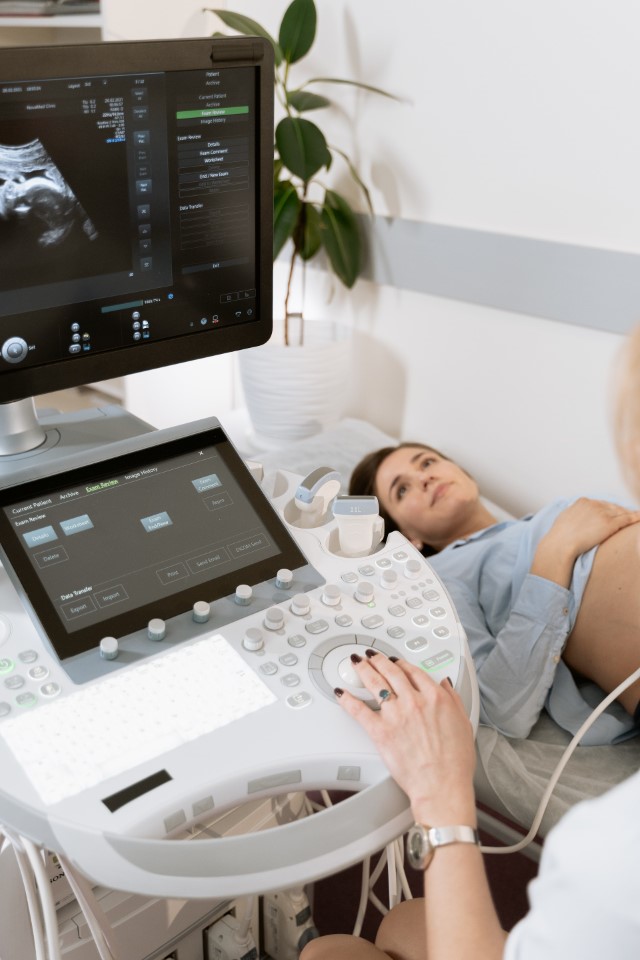
Enhancing Accuracy and Efficiency: AI plays a vital role in medical diagnostics by augmenting the capabilities of healthcare professionals. Machine learning algorithms can analyze vast amounts of medical data, including patient records, imaging scans, and laboratory results, to assist in disease diagnosis and treatment planning. AI-powered diagnostic tools have shown remarkable accuracy in detecting diseases such as cancer, cardiovascular conditions, and neurological disorders. By providing timely and accurate diagnoses, AI reduces the risk of misdiagnosis and enables early interventions, ultimately saving lives.
Personalized Medicine
Tailoring Treatment Approaches: AI enables personalized medicine, which takes into account an individual’s unique characteristics to deliver targeted and precise treatment. By analyzing genetic data, medical histories, and other relevant information, AI algorithms can identify patterns and predict treatment responses for specific patients. This empowers healthcare providers to customize treatment plans, prescribe medications with greater efficacy, and optimize patient outcomes. Personalized medicine holds the promise of improved patient care and reduced adverse reactions to medications.

Patient Monitoring
Proactive and Predictive Care: AI-powered monitoring systems enable continuous and real-time patient tracking, enhancing proactive and predictive healthcare. Remote patient monitoring devices equipped with AI algorithms can monitor vital signs, detect abnormalities, and alert healthcare professionals in case of emergencies. This technology allows for early detection of potential health risks and enables timely interventions, reducing hospital readmissions and improving patient well-being. Furthermore, AI-based predictive analytics can analyze patient data to identify patterns and risk factors, facilitating preventive measures and early intervention in high-risk populations.

Ethical Considerations and Challenges
While AI brings remarkable advancements to healthcare, it also raises ethical considerations and challenges. Safeguarding patient privacy and ensuring the responsible and ethical use of data are of utmost importance. Transparency in AI algorithms, addressing biases, and maintaining the human touch in patient care remain critical considerations. Moreover, integrating AI into existing healthcare systems requires addressing technical barriers, such as interoperability, data standardization, and ethical guidelines.

Conclusion
Artificial Intelligence has the potential to transform the healthcare industry, empowering healthcare professionals, improving diagnostics, enabling personalized medicine, and enhancing patient monitoring. By leveraging AI technologies, healthcare providers can make more accurate diagnoses, tailor treatment plans, and deliver proactive and predictive care. While ethical considerations and technical challenges must be addressed, the integration of AI in healthcare holds great promise for a future where patient outcomes are improved, and healthcare is more precise, efficient, and patient-centered.