

The Internet of Things (IoT) has revolutionized various aspects of our lives, and one of its most impactful applications is in the realm of smart homes. IoT technology enables the interconnection and communication between devices, bringing automation, energy efficiency, and enhanced connectivity to our living spaces. In this blog, we delve into the world of smart homes, exploring how IoT is transforming our houses and revolutionizing the way we live.
Automation and Convenience
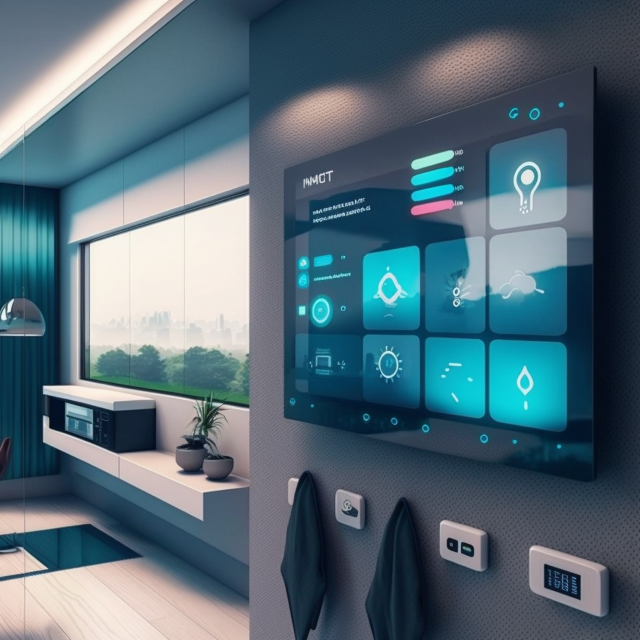
IoT technology brings automation and convenience to our homes. Through interconnected devices and sensors, homeowners can control and manage various aspects of their living spaces with ease. From remotely adjusting temperature and lighting to scheduling household tasks and monitoring security systems, smart homes offer a level of control and convenience that was previously unimaginable. Whether it’s controlling appliances, managing home entertainment systems, or automating routine tasks, IoT-enabled smart homes provide an enhanced living experience.
Energy Efficiency and Sustainability
Smart homes contribute to energy efficiency and sustainability through IoT-enabled solutions. Connected devices and sensors enable homeowners to monitor and optimize energy consumption, leading to reduced utility bills and a smaller carbon footprint. For example, smart thermostats can learn and adapt to occupants’ preferences, adjusting temperature settings to save energy. Smart lighting systems can automatically adjust brightness based on natural light conditions or occupancy, reducing wastage. These energy-efficient practices, facilitated by IoT technology, promote a greener and more sustainable lifestyle.

Enhanced Connectivity and Integration
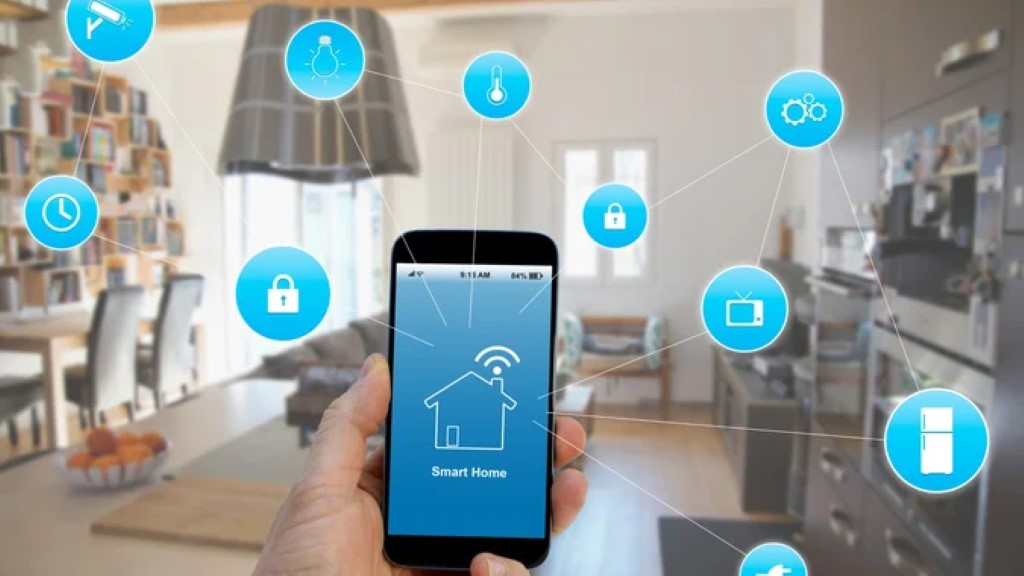
IoT technology enables seamless connectivity and integration among devices in a smart home ecosystem. Through a centralized hub or smartphone app, homeowners can control and monitor all IoT-enabled devices, regardless of their location. This interconnectivity allows for a more holistic and integrated experience, where devices work together harmoniously. For example, a smart home security system can send alerts to a homeowner’s smartphone, enabling remote monitoring and control. Integration with voice assistants further enhances convenience, enabling users to control their smart homes through voice commands.

Safety and Security
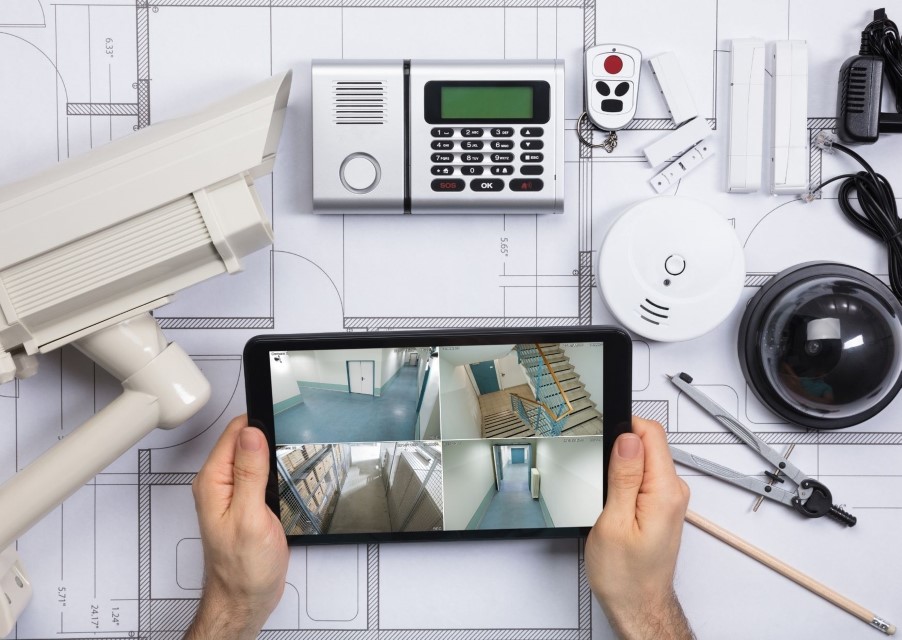
IoT-enabled smart homes enhance safety and security through advanced monitoring and automation capabilities. Connected security systems, including surveillance cameras, door/window sensors, and motion detectors, provide real-time alerts and remote monitoring options, bolstering home security. Additionally, smart smoke detectors and leak sensors can notify homeowners of potential hazards, enabling prompt action and minimizing risks. IoT technology also enables remote access control, allowing homeowners to lock/unlock doors or monitor entry points from anywhere, enhancing peace of mind.
Challenges and Considerations
While smart homes offer numerous benefits, there are also challenges and considerations to keep in mind. Privacy and data security are paramount, as the interconnected nature of IoT devices raises concerns about unauthorized access and data breaches. Regular firmware updates and robust security measures are essential. Interoperability and standardization among different IoT devices and platforms are also critical to ensure seamless integration and avoid compatibility issues.
Conclusion
The Internet of Things has revolutionized our homes, ushering in the era of smart homes. From automation and energy efficiency to enhanced connectivity and security, IoT technology brings numerous benefits and transforms the way we live. As the adoption of smart home devices continues to grow, addressing challenges around privacy, security, and interoperability will be crucial. With IoT-enabled smart homes, we can create more comfortable, convenient, and sustainable living spaces that enhance our daily lives.