

The advent of 5G technology has sparked a new wave of excitement, promising to revolutionize the way we connect, communicate, and interact with the digital world. With faster internet speeds, low latency, and increased capacity, 5G holds immense potential to transform industries such as telecommunication, autonomous vehicles, and smart cities. In this blog, we will explore the benefits and challenges of 5G technology and its far-reaching implications in the digital era.
The Power of 5G: Unprecedented Speed and Connectivity
One of the most significant advantages of 5G technology is its blazing-fast internet speeds. With speeds up to 100 times faster than 4G, users can experience seamless streaming of high-definition content, quick downloads, and real-time interactions. This enhanced speed, combined with ultra-low latency, enables new possibilities for emerging technologies like virtual reality (VR), augmented reality (AR), and cloud gaming, providing immersive experiences and unlocking innovative applications across various sectors.

Enabling the Internet of Things (IoT) and Smart Cities
5G technology serves as a catalyst for the expansion of the Internet of Things (IoT), enabling a massive number of devices to be connected seamlessly. This connectivity paves the way for smart cities, where sensors, devices, and infrastructure are interconnected, facilitating efficient management of resources, improved public services, and enhanced quality of life. With 5G’s ability to handle massive data volumes and provide real-time responses, smart city initiatives can thrive, leading to advancements in transportation, energy management, healthcare, and environmental monitoring.

Transforming Telecommunication and Communication Networks
5G brings significant advancements to the telecommunication industry, enabling faster and more reliable connections for consumers and businesses alike. It facilitates high-quality video calls, smoother streaming, and enhanced mobile experiences. Moreover, 5G’s network slicing capabilities allow network operators to allocate dedicated portions of the network for specific purposes, ensuring tailored services for various applications, such as critical communications, industrial automation, and IoT deployments.

Empowering Autonomous Vehicles and Transportation
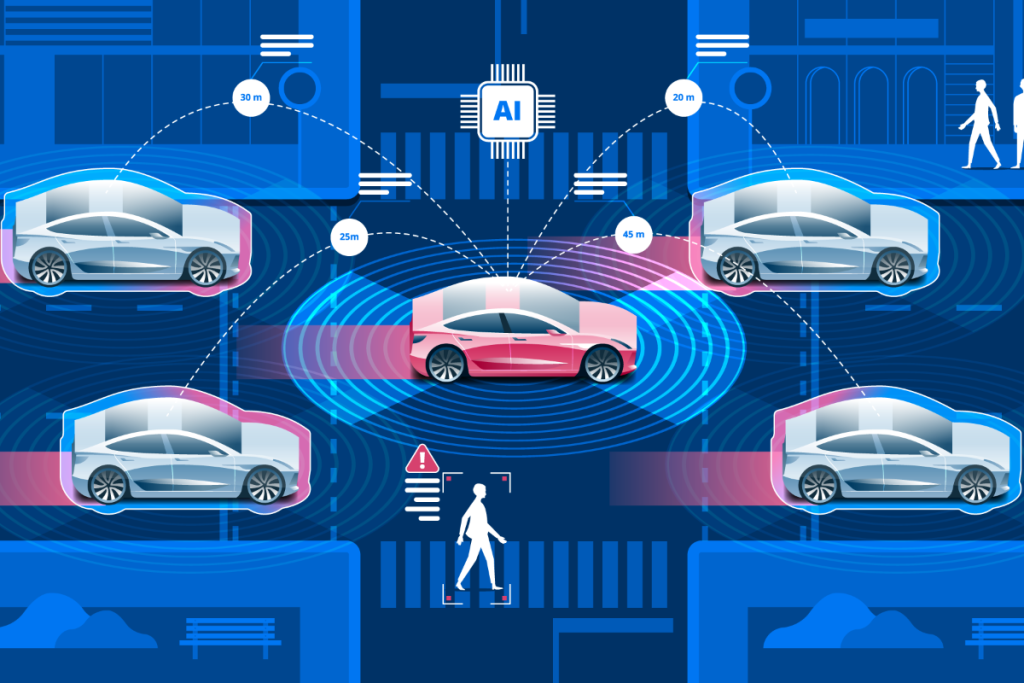
5G technology plays a crucial role in the development and deployment of autonomous vehicles (AVs). With its ultra-low latency and high-speed connectivity, 5G enables real-time communication between vehicles, traffic infrastructure, and pedestrians, enhancing safety, efficiency, and traffic management. Additionally, 5G’s reliability and capacity support the massive data exchange required for AVs to navigate complex environments, make split-second decisions, and provide passengers with a seamless and secure transportation experience.
Challenges and Considerations
While 5G offers transformative capabilities, its implementation comes with challenges. Infrastructure deployment, including the installation of small cells and the availability of a dense network, is necessary to fully realize the potential of 5G. The rollout of 5G also requires significant investment from telecommunication providers and regulatory bodies to ensure widespread coverage and accessibility. Additionally, addressing concerns related to data privacy, cybersecurity, and potential health effects is crucial to fostering trust and ensuring responsible deployment of 5G technology.
Collaboration and Future Prospects
The successful deployment and utilization of 5G technology rely on collaboration among governments, industries, and technology providers. Governments need to develop supportive policies and regulations that encourage investment and innovation in 5G infrastructure. Industries must explore the possibilities of 5G in their respective domains and drive the development of new applications and services. Furthermore, technology providers and researchers should continue to advance the capabilities of 5G, including exploring the potential of network slicing, edge computing, and seamless integration with emerging technologies like artificial intelligence (AI) and blockchain.

Conclusion
5G technology represents a transformative leap in connectivity, opening up a world of possibilities across industries and sectors. With faster internet speeds, increased capacity, and ultra-low latency, 5G holds the potential to revolutionize telecommunication, empower autonomous vehicles, and facilitate the growth of smart cities. However, successful implementation requires addressing infrastructure challenges, ensuring data privacy and security, and fostering collaboration among stakeholders. As 5G continues to evolve, it promises to reshape our digital landscape and unlock new opportunities for innovation, productivity, and connectivity.