

In today’s fast-paced and consumer-driven world, the fashion industry has come under scrutiny for its environmental impact and labor practices. However, a growing movement towards sustainable fashion is changing the landscape. This blog post aims to shed light on eco-friendly and ethical practices in the fashion industry, highlighting the use of sustainable materials, fair trade initiatives, and the concept of slow fashion. By understanding and embracing these practices, we can contribute to a more sustainable and responsible fashion ecosystem.
The Urgency of Sustainable Fashion:
We begin by examining the environmental challenges posed by the fashion industry. From excessive water consumption and pollution to textile waste and carbon emissions, the industry’s impact is significant. By delving into these issues, we can develop a better understanding of why sustainable fashion is crucial and how it can help mitigate these negative effects.
Sustainable Materials and Innovations:
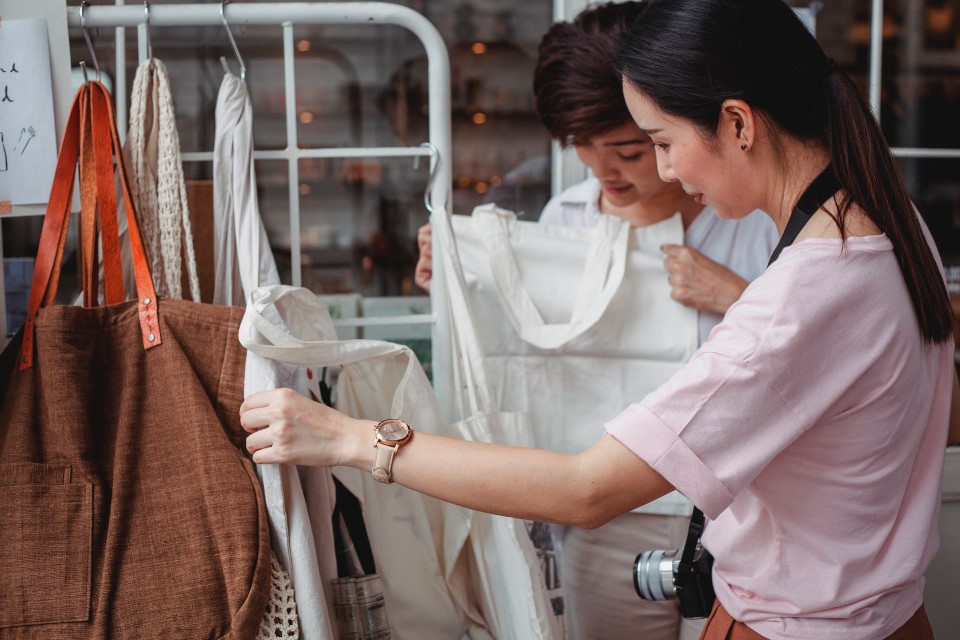
One of the key pillars of sustainable fashion is the use of environmentally friendly materials. We will explore various sustainable alternatives to conventional fabrics, such as organic cotton, hemp, linen, and recycled materials. Additionally, we will highlight exciting innovations in the field, including lab-grown leather, bio-based textiles, and 3D printing, which have the potential to revolutionize the industry.

Fair Trade and Ethical Labor Practices:
To achieve true sustainability, it is essential to address the social aspect of fashion production. We will discuss fair trade initiatives and certifications that promote ethical labor practices, ensuring that workers are paid fair wages, provided safe working conditions, and empowered within the supply chain. By supporting brands that prioritize fair trade, we can contribute to the well-being of the workers involved in the fashion industry.

Embracing Slow Fashion:
The concept of slow fashion encourages mindful consumption and a shift away from the fast-paced, disposable nature of the industry. We will delve into the principles of slow fashion, which emphasize quality over quantity, timeless designs, and the preservation of garments through proper care and repair. By embracing slow fashion, we can reduce waste, make more conscious purchasing decisions, and develop a sustainable personal style.

Responsible Consumer Choices:
As consumers, we hold immense power to drive change. We will discuss practical tips for making more sustainable fashion choices, such as shopping from ethical brands, opting for pre-owned or vintage clothing, and extending the lifecycle of our garments through upcycling and clothing swaps. By understanding our impact as consumers, we can make a positive difference and support the growth of sustainable fashion.

Conclusion:
The fashion industry is undergoing a transformative shift towards sustainability, driven by a growing awareness of its environmental and social impact. By exploring eco-friendly materials, fair trade practices, and embracing the concept of slow fashion, we can contribute to a more responsible and conscious fashion ecosystem. Each decision we make as consumers matters, and by supporting sustainable fashion, we become agents of change in an industry that is ripe for transformation.