

Virtual Reality (VR) has emerged as a groundbreaking technology that transports us into immersive and interactive digital worlds. This blog post explores the exciting realm of virtual reality, delving into its applications across industries and its potential to revolutionize entertainment, education, and beyond. By understanding the immersive experiences and transformative potential of VR, we can unlock the possibilities of this rapidly evolving technology.
Understanding Virtual Reality
We begin by explaining the concept of virtual reality and how it creates a simulated environment that can be explored and interacted with. We delve into the technology behind VR, including headsets, motion tracking, and haptic feedback, that allow users to feel fully immersed in virtual environments. We also discuss the difference between virtual reality, augmented reality, and mixed reality.
Virtual Reality in Entertainment
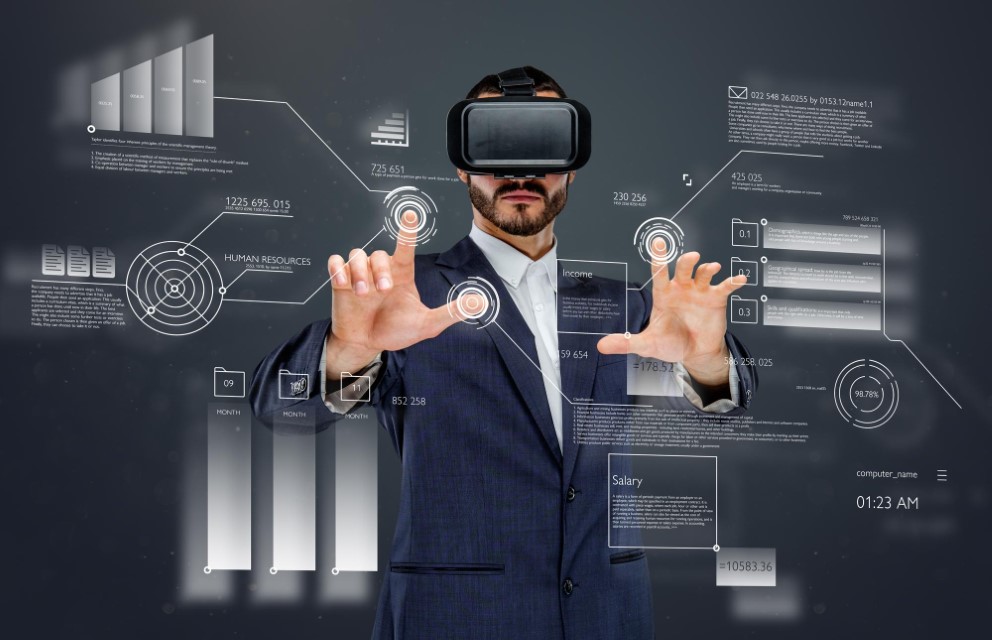
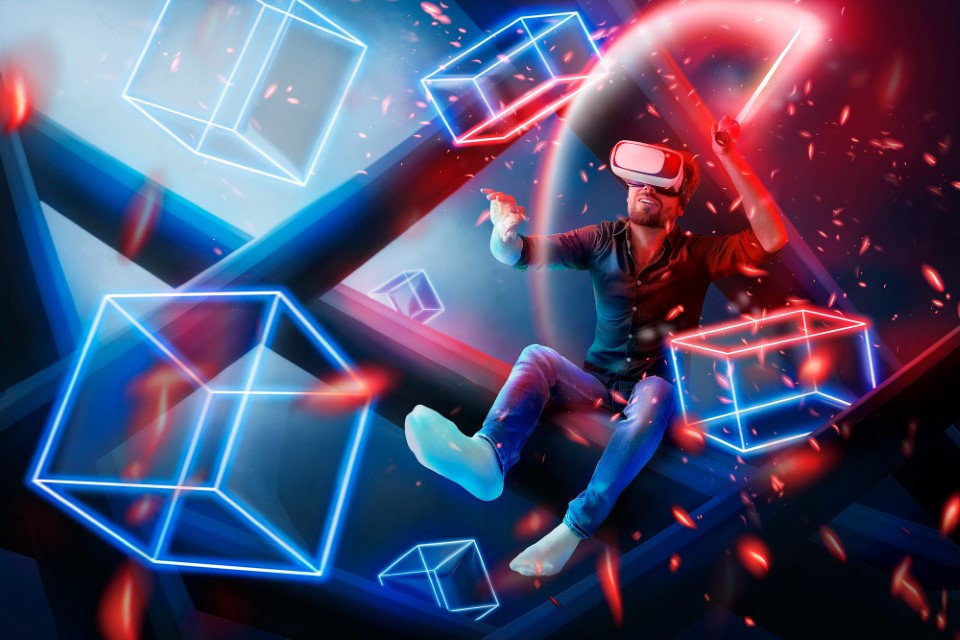
Virtual reality has immense potential to revolutionize the entertainment industry. We explore how VR is transforming gaming experiences, allowing players to step into fully immersive virtual worlds. We discuss the impact of VR on storytelling, cinematic experiences, and interactive narratives. Additionally, we explore the use of VR in theme parks, museums, and other forms of location-based entertainment.
Education and Training in Virtual Reality
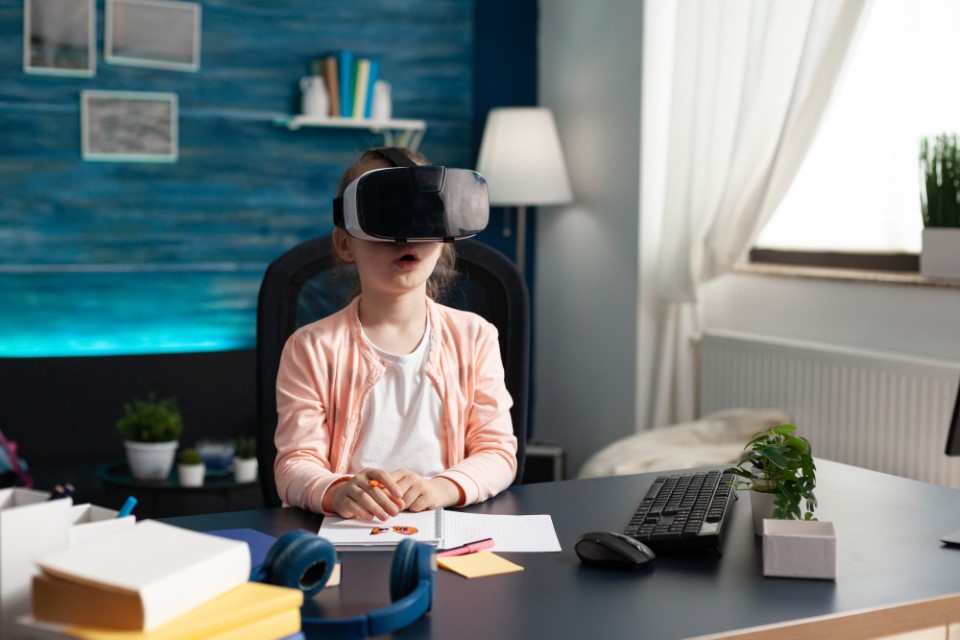
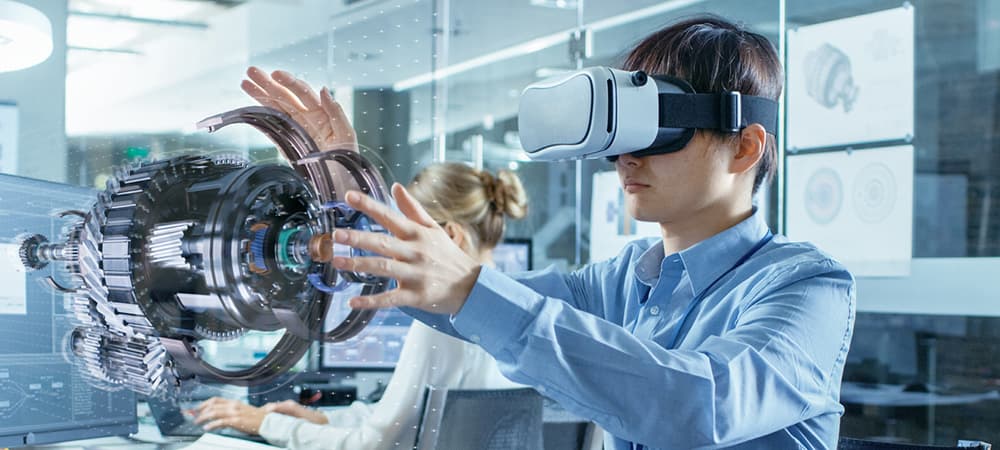
Virtual reality offers exciting opportunities in the field of education and training. We explore how VR can enhance learning experiences by creating realistic simulations and virtual environments. We discuss its applications in medical training, engineering, architecture, and other vocational fields. We also examine how VR can foster experiential learning, critical thinking, and collaboration among students.
Virtual Reality for Healthcare and Therapy
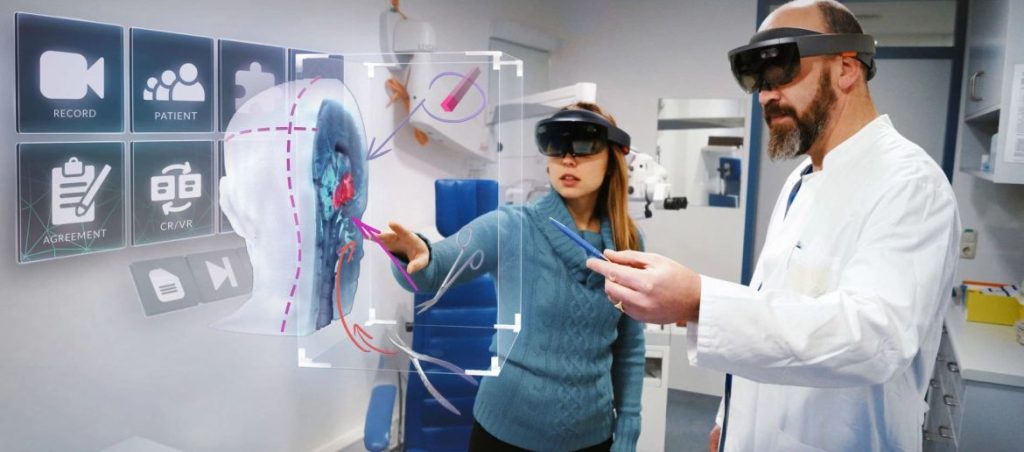
The healthcare industry has embraced virtual reality for various purposes. We discuss how VR is used in pain management, rehabilitation, exposure therapy, and mental health treatment. We explore its potential to create safe and controlled environments for patients to confront their fears and overcome challenges. We also highlight the benefits of VR in telemedicine and remote healthcare delivery.
Virtual Reality and Social Impact
Virtual reality has the power to create empathy and raise awareness about various social issues. We discuss how VR experiences are used to shed light on environmental concerns, human rights issues, and global challenges. We explore the potential for VR to foster understanding, empathy, and social change by allowing users to step into the shoes of others and experience different perspectives.
Challenges and Future of Virtual Reality
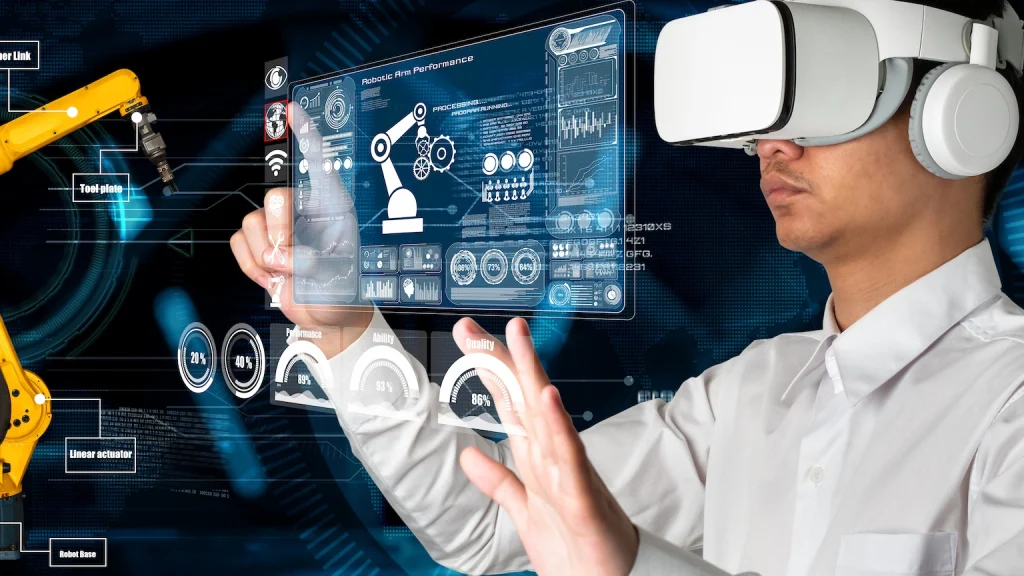
While virtual reality holds immense promise, it also faces challenges. We discuss factors such as cost, accessibility, and potential health concerns associated with extended VR use. We also explore ongoing advancements in the field, such as the development of standalone headsets, improved graphics and immersion, and the potential for VR to merge with other emerging technologies like artificial intelligence and haptic feedback.
Conclusion
Virtual reality is transforming the way we experience entertainment, education, healthcare, and social impact. By immersing ourselves in virtual worlds, we can unlock new levels of engagement, empathy, and learning. As the technology continues to evolve, it is essential to navigate the challenges and harness the potential of VR to create meaningful and transformative experiences.