

In recent years, a digital revolution has taken the art and collectibles market by storm. Non-Fungible Tokens, or NFTs, have emerged as a groundbreaking technology that has transformed the way we perceive and trade digital assets. From art and music to virtual real estate and virtual goods, NFTs have opened up new possibilities for creators, collectors, and investors. In this blog post, we will delve into the fascinating world of NFTs and explore their impact on the art and collectibles market.
Understanding Non-Fungible Tokens (NFTs)
To comprehend the significance of NFTs, we first need to understand what they are. Unlike cryptocurrencies such as Bitcoin or Ethereum, which are fungible and can be exchanged on a one-to-one basis, NFTs are unique and indivisible. Each NFT represents a distinct asset, verified and recorded on a blockchain, typically using Ethereum’s blockchain. This technology provides proof of ownership and ensures the scarcity and authenticity of the asset.
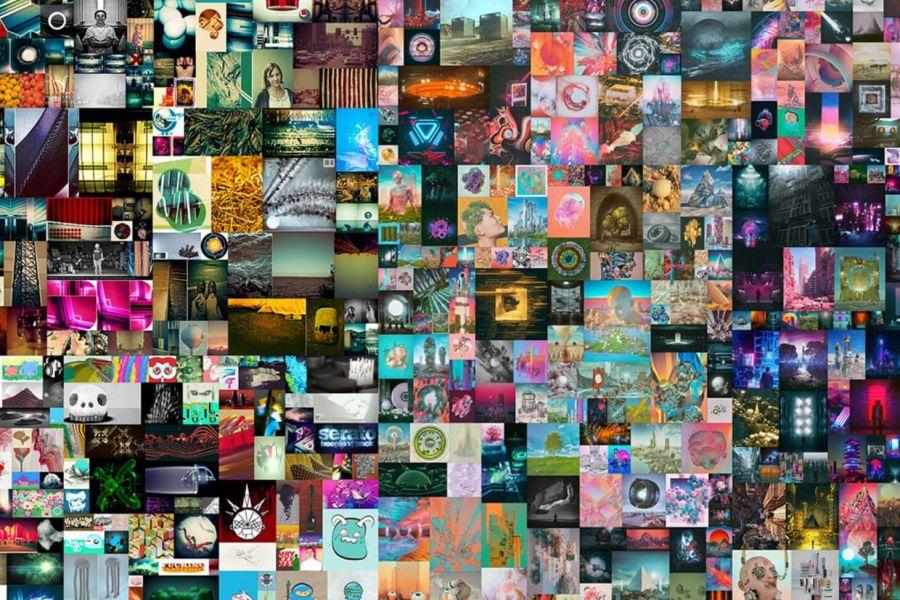
NFTs and the Digital Art Renaissance
NFTs have sparked a digital art renaissance, enabling artists to monetize their digital creations in unprecedented ways. Traditional barriers to entry, such as gallery representation, have been challenged as artists can now directly connect with their audience and sell their artwork as NFTs. We will explore notable examples of digital art sales that have garnered worldwide attention and discuss the implications for artists, collectors, and the art market as a whole.
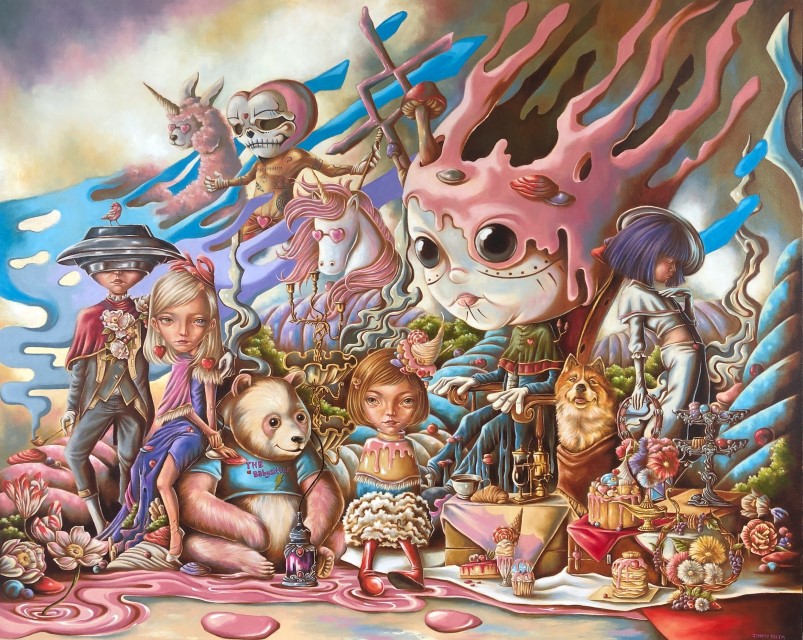
Collectibles in the Digital Realm
In addition to art, NFTs have revolutionized the concept of collectibles. From virtual trading cards to digital sneakers and virtual real estate, NFT-based collectibles have gained immense popularity. We will delve into the world of digital collectibles, discussing the allure for collectors, the market dynamics, and the potential for long-term value appreciation.
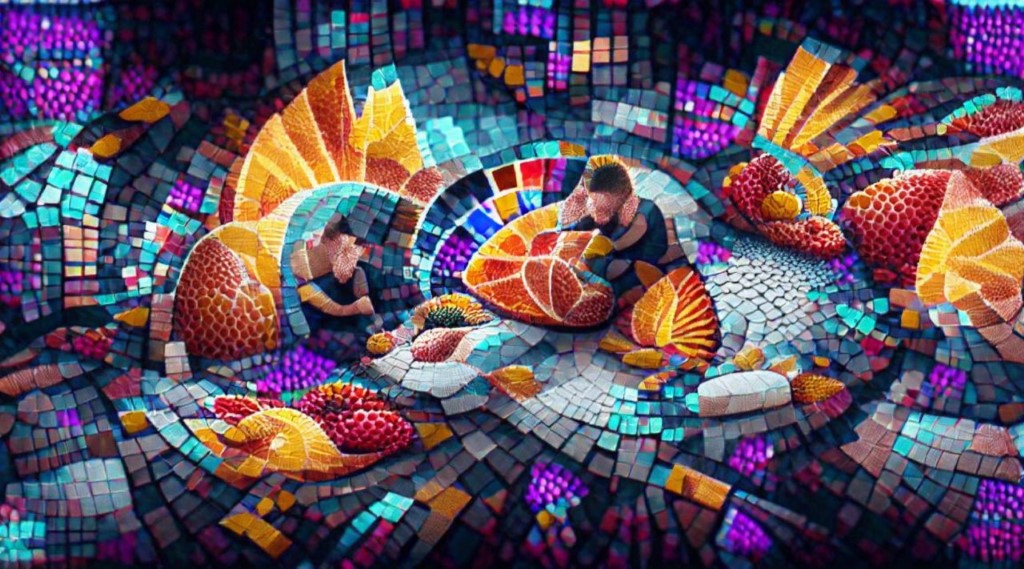
NFTs Beyond Art and Collectibles
The utility of NFTs extends beyond the realm of art and collectibles. We will explore other industries that have embraced NFTs, such as music, sports, and gaming. NFTs have enabled musicians to release unique digital albums and merchandise, while sports organizations have adopted NFTs for tokenizing moments and memorabilia. Additionally, we will discuss the integration of NFTs in gaming, including the concept of play-to-earn and the creation of virtual economies.
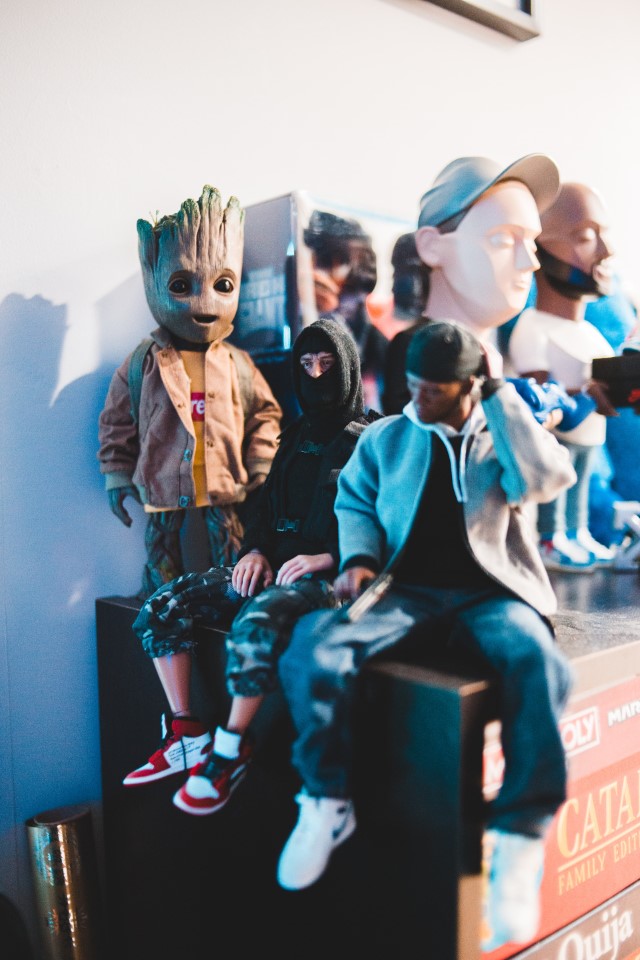
Challenges and Opportunities
While NFTs present exciting opportunities, they also face challenges that need to be addressed. We will discuss concerns related to environmental impact, copyright infringement, and the potential for market volatility. Moreover, we will explore how NFTs can empower creators, foster community engagement, and redefine the relationship between artists and their audience.

Conclusion
The rise of NFTs has disrupted traditional notions of ownership and value in the digital realm. As this technology continues to evolve, it has the potential to reshape the art and collectibles market, empower creators, and redefine the relationship between artists and collectors. Whether you’re an artist, collector, or simply curious about the future of digital assets, understanding NFTs is key to navigating this exciting and transformative landscape.