

In an increasingly digital world, the need for robust authentication methods has become paramount to protect sensitive information and secure access to devices, systems, and applications. Biometric authentication, leveraging unique physical or behavioral traits of individuals, offers a promising solution. This blog explores the use of biometrics, such as fingerprints, facial recognition, and iris scanning, and its significance in ensuring secure and convenient authentication in the digital age.
Understanding Biometric Authentication
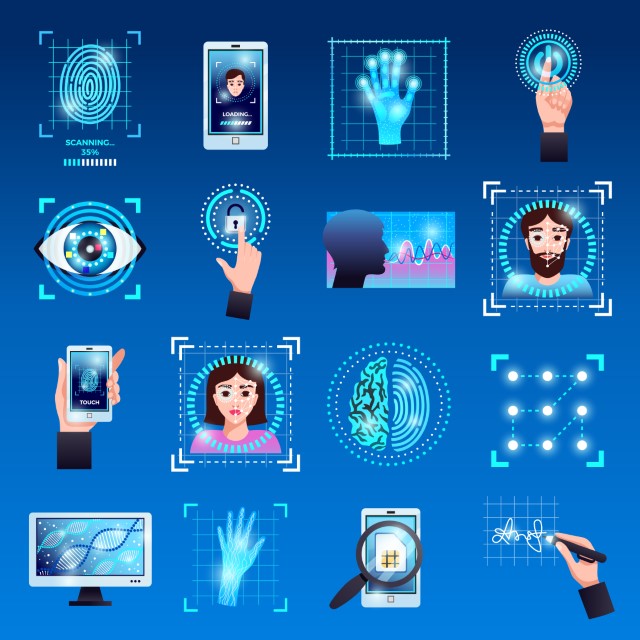
Biometric authentication utilizes distinct biological or behavioral characteristics to verify the identity of an individual. Unlike traditional authentication methods like passwords or PINs, which can be lost or stolen, biometric traits are inherent to each person and difficult to replicate. Commonly used biometric modalities include fingerprints, facial features, iris patterns, voice recognition, and even behavioral patterns like gait or typing style.
The Power of Biometrics in Identity Verification
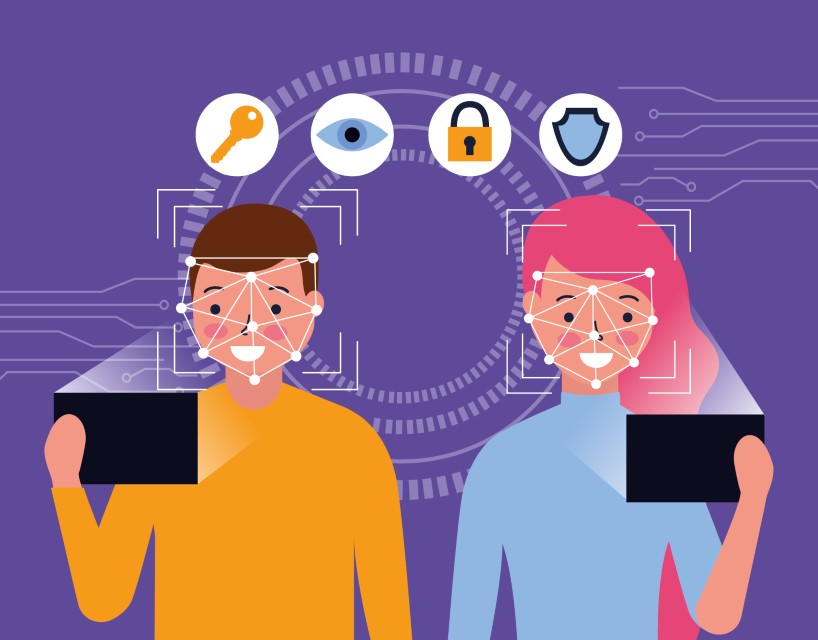
Biometrics offer several advantages over traditional authentication methods. First and foremost, they provide a higher level of security as biometric traits are unique to individuals, making it significantly more difficult for impostors to gain unauthorized access. Biometric authentication also eliminates the need for users to remember complex passwords or carry physical tokens, enhancing convenience and user experience. Additionally, biometrics provide a strong audit trail, enabling organizations to track and monitor access to critical systems or sensitive areas.
Fingerprint Recognition
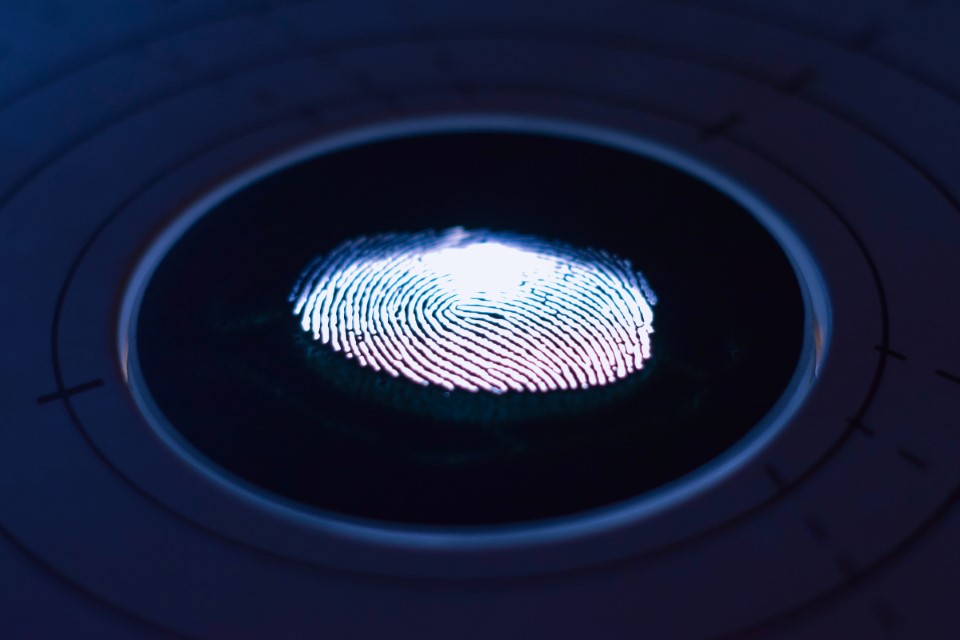
Fingerprint recognition is one of the most widely adopted biometric authentication methods. Each person’s fingerprints possess unique ridge patterns that can be captured and stored as a digital template. With the advancement of fingerprint sensors and algorithms, this technology has become highly accurate, fast, and reliable, making it prevalent in smartphones, laptops, and access control systems.
Facial Recognition
Facial recognition technology analyzes and identifies unique facial features of individuals to verify their identity. It has gained significant attention in recent years due to its ease of use and non-intrusive nature. Facial recognition is employed in a wide range of applications, including unlocking smartphones, border control, and surveillance systems. However, it is important to address concerns related to privacy, accuracy, and potential biases associated with facial recognition algorithms.

Iris Scanning
Iris scanning involves capturing and analyzing the intricate patterns within the iris of an individual’s eyes. The unique characteristics of iris patterns, such as their complexity and stability over time, make this biometric modality highly accurate and reliable. Iris recognition systems are used in various high-security environments, such as airports and government facilities, to provide stringent identity verification.

Enhancing Security and Addressing Concerns
While biometric authentication offers significant advantages, it is not without challenges. Biometric data needs to be securely stored and protected to prevent unauthorized access or misuse. Robust encryption techniques and secure storage protocols are crucial to safeguard biometric templates and prevent data breaches. Additionally, organizations must address concerns regarding the ethical use and potential biases associated with biometrics, ensuring transparency, informed consent, and compliance with privacy regulations.

The Future of Biometric Authentication
The field of biometrics continues to evolve, with advancements in machine learning, artificial intelligence, and sensor technologies. Emerging modalities such as palm prints, voice recognition, and even DNA profiling hold promise for further enhancing security and expanding the scope of biometric authentication. Additionally, ongoing research and collaborations aim to develop standardized frameworks, interoperability, and best practices for the ethical and responsible use of biometric data.

Conclusion
Biometric authentication offers a compelling solution to the security and convenience challenges faced in the digital age. Leveraging unique physical or behavioral traits, biometrics enable robust identity verification, reducing the reliance on traditional authentication methods. While biometric technologies continue to advance, it is essential to address concerns related to privacy, security, and ethical considerations. By striking the right balance between security, usability, and privacy, biometric authentication can play a pivotal role in ensuring secure access to devices, systems, and applications, ultimately enhancing the overall digital experience.